
BRACES
Braces
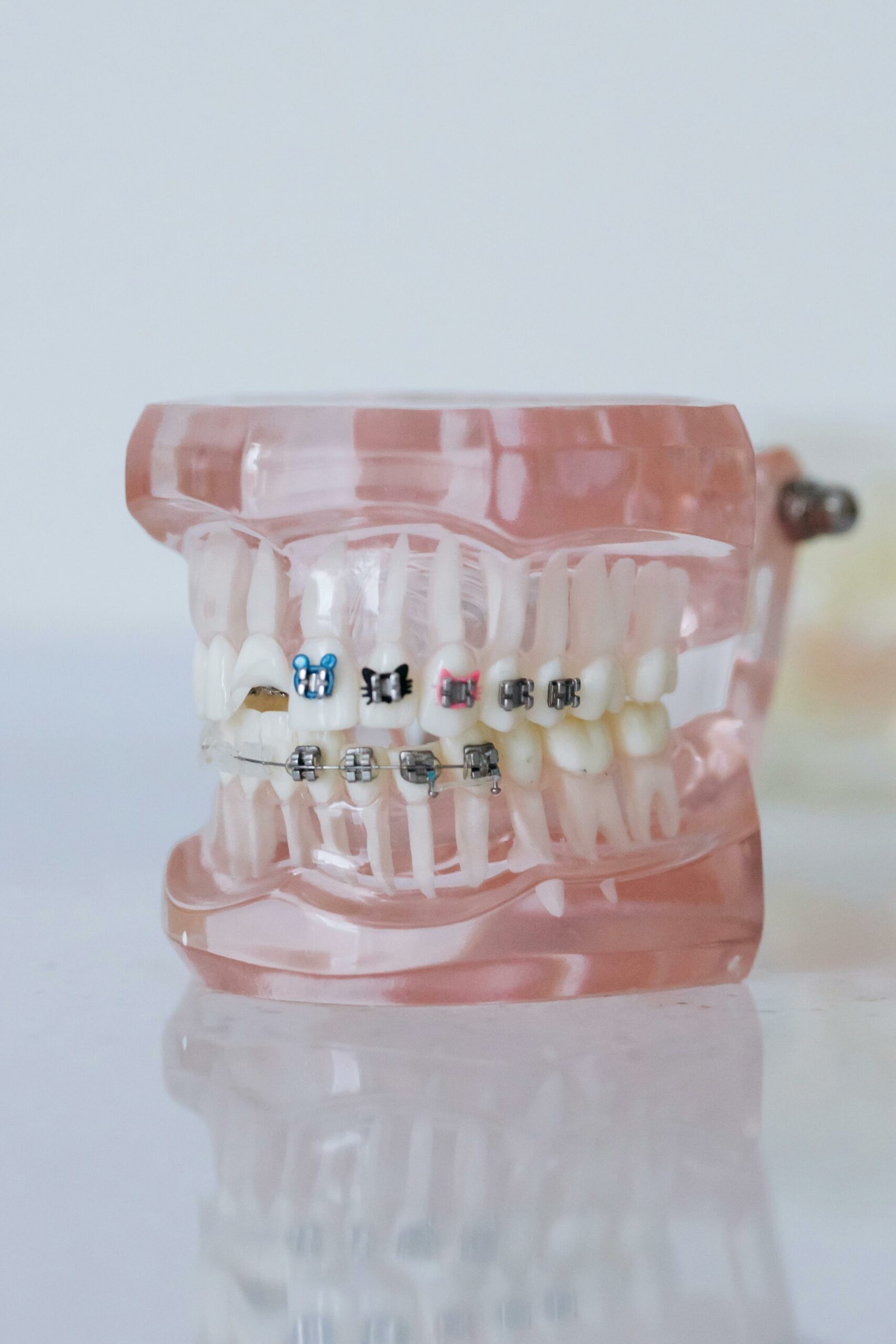
Braces are dental appliances used to straighten, align, and correct the positioning of teeth. They are commonly made from materials such as metal, ceramic, or plastic. Braces apply continuous pressure to teeth over time, gradually moving them into better alignment. Braces are used by orthodontists to treat various dental issues like crooked teeth, misalignment of the bite, and gaps between teeth.
Why Are Braces Needed?
Braces are needed for several reasons, including:
Crooked or Misaligned Teeth: Teeth that are not straight can affect both appearance and oral health.
Overbite/Underbite: An overbite is when the upper teeth overlap the lower teeth excessively, while an underbite is when the lower teeth extend beyond the upper teeth.
Spacing Issues: Gaps between teeth or overcrowding can be corrected with braces.
Jaw Alignment: Braces help in cases where the upper and lower jaws do not align properly, which can affect chewing and speaking.
Improved Functionality: Correcting teeth alignment can improve chewing, speech, and overall oral health.
Preventing Dental Problems: Misaligned teeth can lead to issues like tooth decay, gum disease, and excessive wear of the teeth.
Detailed Procedure for Braces Treatment
Consultation and Evaluation:
The orthodontist conducts an initial examination and may take X-rays, photographs, and dental impressions to understand the current alignment of your teeth and jaws.
The orthodontist will discuss your specific needs and explain the best treatment plan for you.
Planning and Preparation:
After evaluating your teeth, the orthodontist will plan the appropriate treatment, including whether traditional metal braces, ceramic braces, or clear aligners are the best option.
If necessary, tooth extractions may be performed to create space for proper alignment.
Placement of Braces:
Brackets: Small metal or ceramic pieces are bonded to the front of each tooth using a special dental adhesive.
Archwire: A thin wire is attached to the brackets. This wire will exert pressure on the teeth to move them into place.
Elastic Bands: Small rubber bands are used to hold the archwire in place. Some patients may also need additional elastics to help with bite correction.
Adjustments:
You will need to visit your orthodontist regularly (typically every 4-6 weeks) for adjustments. During these visits, the orthodontist will tighten the archwire or replace it to ensure that continued pressure is applied to move the teeth into the desired position.
Duration of Treatment:
The length of treatment varies but typically lasts between 18 months and 3 years, depending on the complexity of the case and how well the patient follows the treatment plan.
Final Stage:
Once the teeth are in their new positions, the braces are removed, and retainers are provided to help keep the teeth in place.
The patient may need to wear the retainer for a period of time, usually at night, to ensure that the teeth do not shift back.
Post-Treatment Care
After the braces are removed, taking care of your teeth and following the orthodontist’s instructions is crucial for maintaining the results:
Wearing a Retainer:
You will likely be asked to wear a retainer to prevent your teeth from shifting back to their original position. Retainers may need to be worn full-time initially and then part-time, such as only at night.
Regular Dental Checkups:
Continue to see your general dentist regularly to maintain good oral hygiene and check for any potential issues that might arise post-treatment.
Oral Hygiene:
Proper brushing and flossing are essential to keep teeth clean and healthy after braces. You may need to use special tools like orthodontic floss or water flossers to clean around brackets and wires effectively.
Dietary Considerations:
After braces are removed, it’s important to avoid sticky or hard foods that could damage or loosen teeth or retainers.
Follow-Up Visits:
You may need periodic visits to your orthodontist to ensure that the teeth are staying in their new position and to adjust your retainer if needed.
Benefits of Braces
Braces offer a variety of benefits for both aesthetic and functional reasons:
Improved Smile and Appearance:
Straighter teeth result in a more symmetrical and aesthetically pleasing smile, boosting confidence.
Better Oral Health:
Straight teeth are easier to clean and maintain, reducing the risk of plaque buildup, tooth decay, and gum disease.
Improved Bite Function:
Braces correct bite issues like overbite, underbite, and crossbite, which can lead to better chewing, speaking, and less wear on teeth.
Prevention of Long-Term Dental Issues:
Proper alignment helps prevent future dental problems, such as gum disease, tooth wear, and even jaw pain.
Increased Confidence:
Having straight teeth can improve self-esteem, as it can have a significant impact on how people perceive themselves and interact socially
Braces can be a significant investment in both time and cost, but the long-term benefits of improved oral health and a beautiful smile are often well worth it.