
DENTAL CROWNS
Dental Crowns
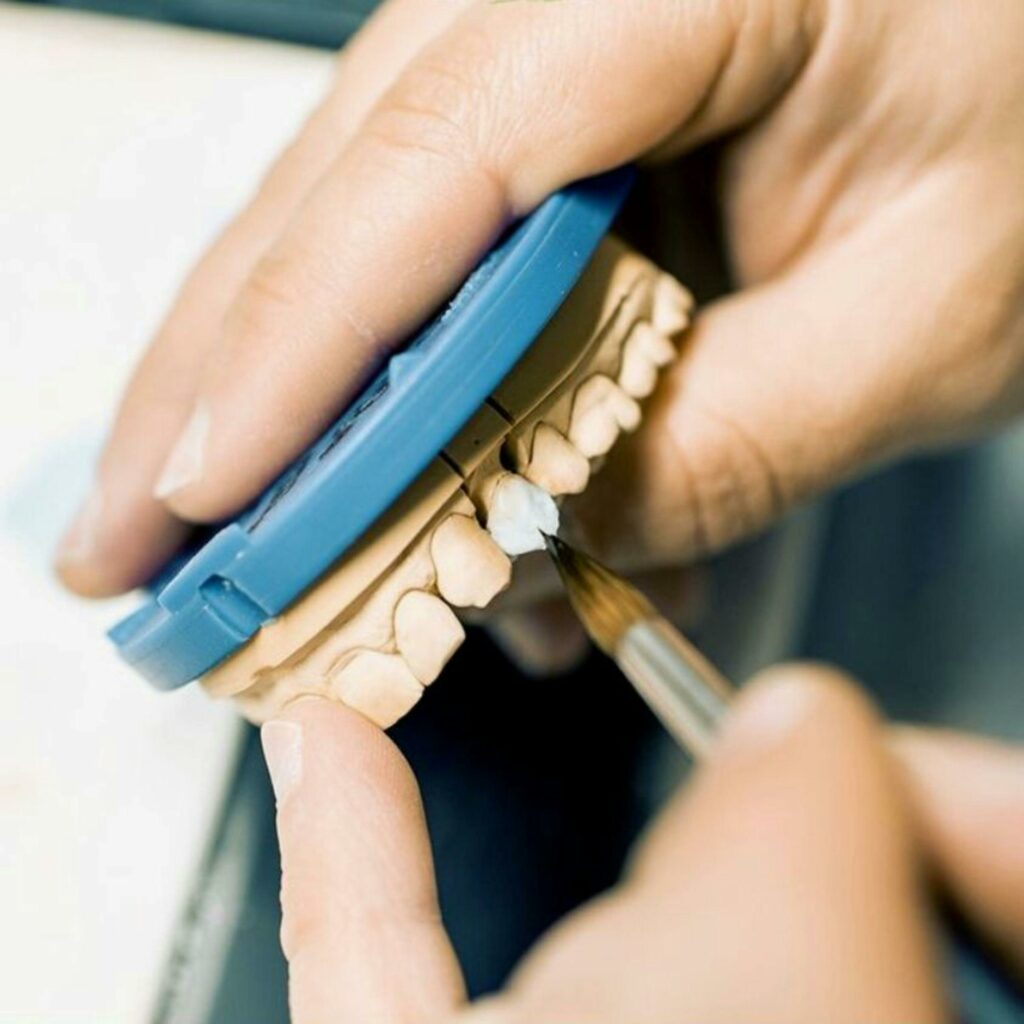
A dental crown is a cap-shaped restoration that completely covers a tooth. Crowns are used to restore the size, shape, strength, and appearance of a tooth that is damaged, decayed, or weakened. They can be made from a variety of materials, such as metal, porcelain, resin, or a combination of materials. Crowns are placed over the tooth after it has been prepared and fitted properly, serving as a protective cover.
Why are Dental Crowns Needed?
Dental crowns are typically needed in the following cases:
Severe Decay or Damage: When a tooth is too decayed or fractured to support a filling.
Root Canal Treatment: After a root canal, a crown is often used to restore the tooth.
Broken or Worn Teeth: Crowns help restore teeth that are broken or have been worn down due to age or grinding.
Cosmetic Improvement: They are also used for cosmetic reasons to improve the appearance of a tooth, especially when the tooth is misshapen or discolored.
Dental Bridges: Crowns are used to anchor dental bridges, which replace missing teeth.
Tooth Protection: For teeth that are at risk of breaking (e.g., weak teeth, large fillings, or cracks).
Detailed Procedure for Dental Crowns
The procedure for placing a dental crown typically involves two visits:
First Visit: Preparation
Examination and X-Rays: The dentist will examine the tooth and may take X-rays to ensure the tooth’s roots are healthy.
Tooth Preparation: The tooth is shaped by removing part of its outer surface to make space for the crown. If the tooth is severely decayed, the dentist may need to build up the tooth with a filling material.
Impression: Once the tooth is shaped, the dentist takes an impression (mold) of the prepared tooth. This can be done using traditional molding materials or with digital impressions.
Temporary Crown: A temporary crown is placed to protect the tooth while the permanent crown is being made in a dental lab. This typically takes about 2-3 weeks.
Second Visit: Placement of the Permanent Crown
Removal of Temporary Crown: The temporary crown is removed, and the permanent crown is checked for fit, color, and bite.
Fitting: If the permanent crown fits perfectly, it is permanently cemented onto the tooth.
Final Adjustments: The dentist may make any final adjustments to ensure that the crown aligns properly with your bite and that it feels comfortable.
Post-Treatment Care:
After getting a dental crown, it’s essential to follow good oral hygiene and care practices to ensure the crown lasts:
Avoid Hard Foods: Immediately after the procedure, avoid chewing hard or sticky foods that could damage the crown or cause discomfort.
Gentle Brushing and Flossing: Brush and floss carefully around the crowned tooth to avoid loosening the crown or causing irritation to the gums.
Pain Management: Some mild discomfort or sensitivity to hot and cold may occur in the first few days after the procedure. Over-the-counter pain relievers can help, but if pain persists or worsens, consult your dentist.
Regular Check-ups: Regular dental visits are important to monitor the condition of the crown and ensure it’s functioning well.
Benefits of Dental Crowns
Improved Appearance: Crowns restore the natural look of a tooth, making it look like a healthy, untouched tooth.
Durability: Crowns are designed to last for many years (10-15 years or more), offering long-term protection.
Restored Function: Crowns help restore normal tooth function, allowing for proper chewing and biting.
Prevention of Further Damage: They provide support to weak or cracked teeth, preventing further damage.
Comfort and Confidence: Crowns eliminate pain from broken or decayed teeth, helping patients regain comfort and confidence in their smile.
Versatility: Crowns can be used for a wide range of dental issues, including cosmetic concerns, functional problems, and protection for teeth with large fillings or previous root canal treatments.
Dental crowns are a valuable solution for improving both the function and aesthetics of damaged or weakened teeth, and with proper care, they can last for many years.