
FILLINGS
Fillings
Fillings are dental materials used to restore teeth that have been damaged by cavities or decay. The filling material is placed into a cleaned-out cavity to restore the tooth’s shape and function. Various materials are used for fillings, including amalgam (silver), composite resin (tooth-colored), gold, and porcelain.
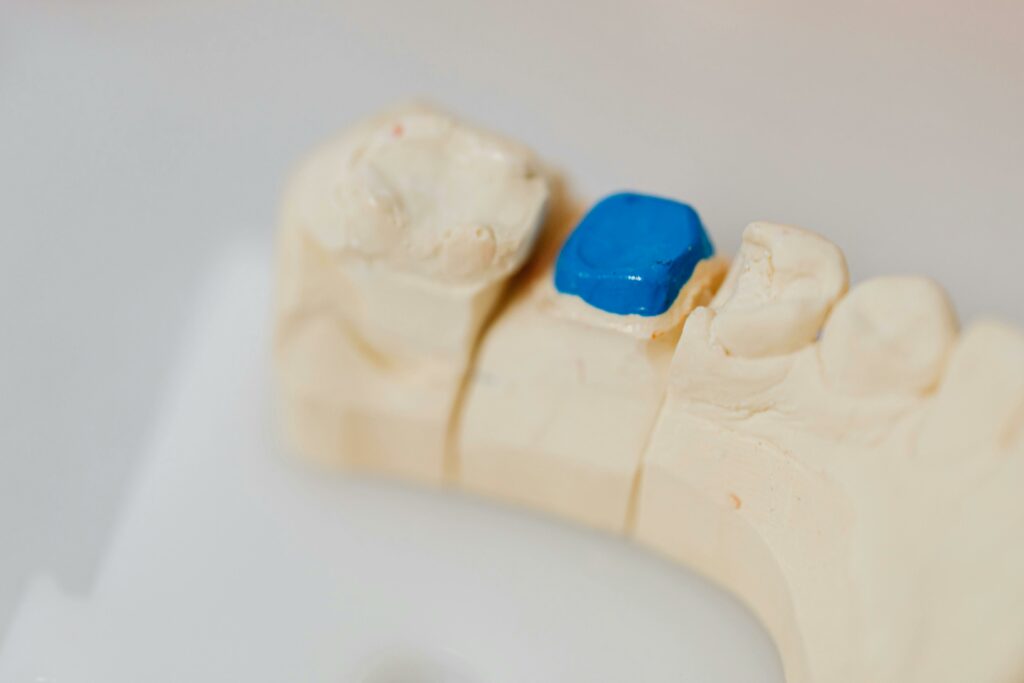
Why Are Fillings Needed?
Fillings are necessary when a tooth has decay or damage caused by cavities. If left untreated, cavities can worsen, leading to severe pain, infection, or tooth loss. Fillings restore the affected tooth, prevent further decay, and ensure the tooth functions properly.
Detailed Procedure for Fillings
Examination & Diagnosis: Your dentist will examine the tooth and may take X-rays to determine the extent of the decay. Based on the findings, the best type of filling material will be recommended.
Local Anesthesia: To ensure a painless procedure, the dentist will numb the affected area using a local anesthetic.
Removing Decay: Using a dental drill or laser, the dentist will remove the decayed part of the tooth. The cavity will be cleaned to ensure it is free from bacteria.
Filling Placement: The filling material is then applied to the cavity in layers. If a composite filling is used, a special light is often applied to harden the material.
Shaping & Polishing: Once the filling is in place, the dentist will shape it to match the natural contours of your tooth. It is then polished for a smooth finish.
Bite Check: The dentist will check your bite to ensure the filling aligns properly with your other teeth. Adjustments are made if necessary.
Post-Fillings Care
After getting a filling, some basic care instructions include:
Avoid Eating Immediately: Wait at least an hour after your appointment before eating to allow the filling to set (especially for composite fillings).
Sensitive Teeth: Some sensitivity to hot or cold may occur in the days following the procedure, but this should subside over time.
Good Oral Hygiene: Brush and floss as usual, but be gentle around the filled area for the first few days.
Avoid Hard Foods: For the first 24 hours, avoid chewing on hard foods or anything sticky near the filled tooth to prevent damage.
Regular Check-Ups: Visit your dentist for routine exams to ensure the filling is intact and the tooth remains healthy.
Benefits of Fillings
Restores Tooth Function: Fillings restore the ability to chew and speak without pain or discomfort.
Prevents Further Decay: By sealing the cavity, fillings stop the spread of decay and protect the tooth from further damage.
Enhances Aesthetics: Composite fillings blend with natural tooth color, providing a seamless, aesthetic result.
Quick & Painless Procedure: Dental fillings are typically fast, minimally invasive, and can be done in one visit.
Durable Solution: Modern filling materials are long-lasting and can withstand normal wear and tear.
Prevents Tooth Loss: Timely fillings can prevent the need for more extensive treatments like crowns or extractions.
With dental fillings, you can restore the health and function of your teeth quickly and effectively. At Way2Dental, we offer safe and durable filling options to ensure your smile stays bright and healthy.